
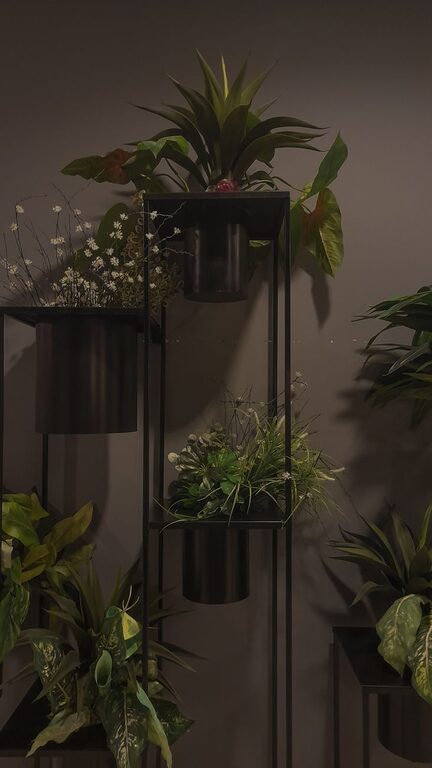
Creating a sustainable and eco-friendly home environment is not only beneficial for the planet but can also lead to cost savings and a healthier living space. Whether you’re starting from scratch or looking to improve your current home, small changes can make a big difference. In this post, we will explore practical tips to help you build a greener, more sustainable home.
Why Choose a Sustainable Home?
Sustainability means meeting our needs without compromising the ability of future generations to meet theirs. When applied to your home, this involves reducing energy consumption, minimizing waste, and using resources wisely. A sustainable home reduces its environmental impact while promoting a comfortable and healthy lifestyle.
Start With Energy Efficiency
One of the most significant steps toward sustainability is improving your home’s energy efficiency. This reduces your carbon footprint and saves money on utility bills.
Use Energy-Efficient Appliances
Look for appliances with high energy efficiency ratings, such as those certified by Energy Star. These devices use less electricity while maintaining performance.
Switch to LED Lighting
LED bulbs consume up to 80% less energy than traditional incandescent bulbs and last much longer. Consider replacing all your lights with LEDs for instant savings.
Improve Insulation
Proper insulation helps maintain comfortable temperatures inside your home, decreasing the need for heating and cooling. Check the insulation in your walls, attic, and floors, and upgrade if necessary.
Install Programmable Thermostats
A programmable thermostat allows you to control your heating and cooling more efficiently by setting schedules. This avoids energy waste when you’re not at home.
Reduce Water Usage
Water conservation helps preserve this precious resource and lowers your water bills.
Fix Leaks Promptly
Even small leaks can waste significant amounts of water. Regularly check faucets, pipes, and toilets for leaks and repair them immediately.
Install Water-Saving Fixtures
Choose low-flow showerheads, faucets, and dual-flush toilets. These fixtures reduce water usage without sacrificing performance.
Collect Rainwater
If possible, set up a rainwater harvesting system to collect water for gardening or other non-drinking purposes.
Choose Eco-Friendly Materials
When renovating or decorating, opt for sustainable materials that are durable, non-toxic, and responsibly sourced.
Use Natural and Renewable Materials
Bamboo, cork, reclaimed wood, and natural fibers like cotton or wool are excellent eco-friendly choices.
Avoid Harmful Chemicals
Select paints, finishes, and cleaners with low or zero volatile organic compounds (VOCs) to ensure better indoor air quality.
Recycle and Reuse
Consider buying secondhand furniture and repurposing items to reduce waste.
Minimize Waste and Promote Recycling
Waste reduction is a key part of a sustainable home.
Adopt a Composting System
Composting kitchen scraps and garden waste reduces landfill contributions and produces nutrient-rich soil for your plants.
Implement a Recycling Routine
Set up clearly labelled recycling bins for paper, plastics, glass, and metals. Educate family members on proper sorting.
Reduce Single-Use Plastics
Choose reusable bags, bottles, and containers to reduce plastic waste.
Green Your Indoor Environment
A sustainable home also supports health and wellbeing.
Add Indoor Plants
Plants improve air quality by filtering pollutants and adding oxygen. Choose easy-care species like spider plants, snake plants, or peace lilies.
Ensure Proper Ventilation
Good airflow prevents indoor pollution and mold growth. Open windows regularly or use mechanical ventilation systems if needed.
Use Natural Cleaning Products
Replace harsh chemicals with environmentally friendly alternatives made from natural ingredients.
Consider Renewable Energy Options
If possible, look into renewable energy systems to power your home.
Solar Panels
Installing solar panels can significantly reduce your reliance on fossil fuels and lower electricity costs over time.
Solar Water Heaters
These use the sun’s energy to heat water, saving electricity or gas.
Even small-scale renewable solutions, like solar-powered garden lights, contribute to sustainability.
Cultivate a Sustainable Garden
Your garden can support biodiversity and reduce your environmental impact.
Plant Native Species
Native plants require less water and support local wildlife.
Grow Your Own Food
Vegetables, herbs, and fruits reduce the need for store-bought produce, which often involves packaging and transportation emissions.
Avoid Chemical Pesticides and Fertilizers
Use organic methods to maintain a healthy garden ecosystem.
Final Thoughts
Creating a sustainable and eco-friendly home doesn’t have to be overwhelming or expensive. By gradually implementing these tips, you can contribute to a healthier planet while enjoying a comfortable and efficient living space. Whether it’s switching to energy-efficient bulbs or planting a few garden herbs, every small step counts and adds up over time. Start today and enjoy the benefits of green living!
—
By making thoughtful choices and adopting sustainable habits, you not only reduce your environmental impact but inspire others to do the same. Share your experiences and ideas with friends, family, or your community to spread the message of sustainability.